Understand the issue
Loneliness and social isolation overlap, but they are not identical. Living alone can increase risk, but some elders feel lonely even when they live with others.
 SilverSync
We help students create safe, respectful moments of connection with older adults through partner-led activities, cards, interviews, and community awareness.
Elderly loneliness is not just a private feeling. It can affect health, safety, dignity, family caregiving, and whether people feel remembered by the community around them.
Our local focus is New Taipei City, where the population is aging quickly and there is already a strong network of elder-service organizations, Silver Clubs, and community care stations.
Global goal: create a student-ready model that others can copy: find a trusted partner, choose one safe action, track impact, and reflect ethically.
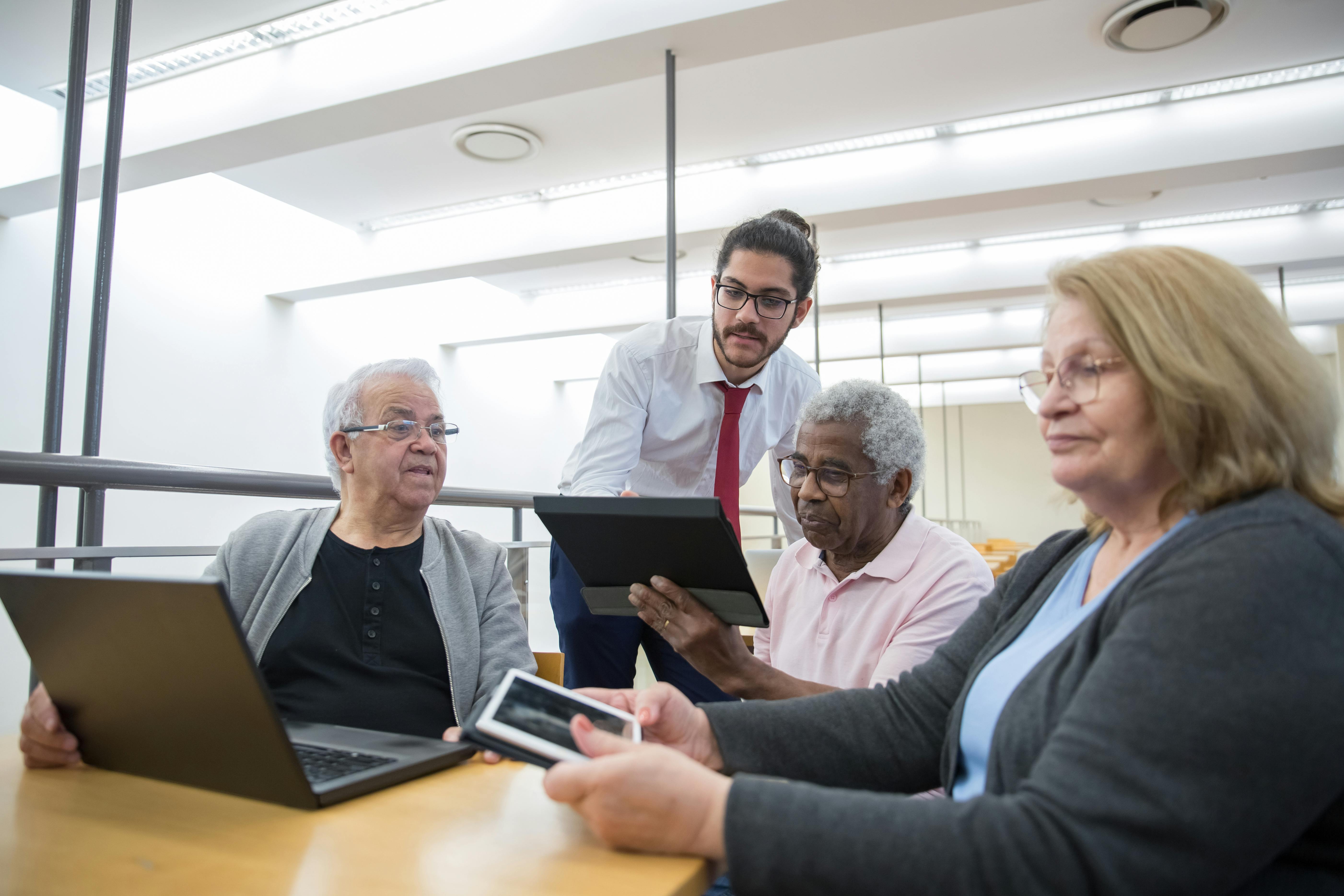
The site is built around a realistic AP with WE Service model: research the issue, partner locally, publish a toolkit, and invite students to act without crossing safety boundaries.
Loneliness and social isolation overlap, but they are not identical. Living alone can increase risk, but some elders feel lonely even when they live with others.
Students work through foundations, senior centers, community care stations, or school-approved partners instead of visiting private homes alone.
The toolkit gives other students email templates, safety rules, conversation prompts, card ideas, activity plans, reflection questions, and tracking sheets.
Short local and global explanation of elder loneliness as a health and community issue.
The practical plan for supervised activities, interviews, cards, and awareness work.
Copyable and downloadable resources that let students adapt the project in another city.
Four levels of action, from a five-minute message to a longer school activity.
Pledge and reflection forms, a QR code, a short action quiz, and a simple reach map.
Live counters show pledges, cards, organizations contacted, locations represented, and verified reach.