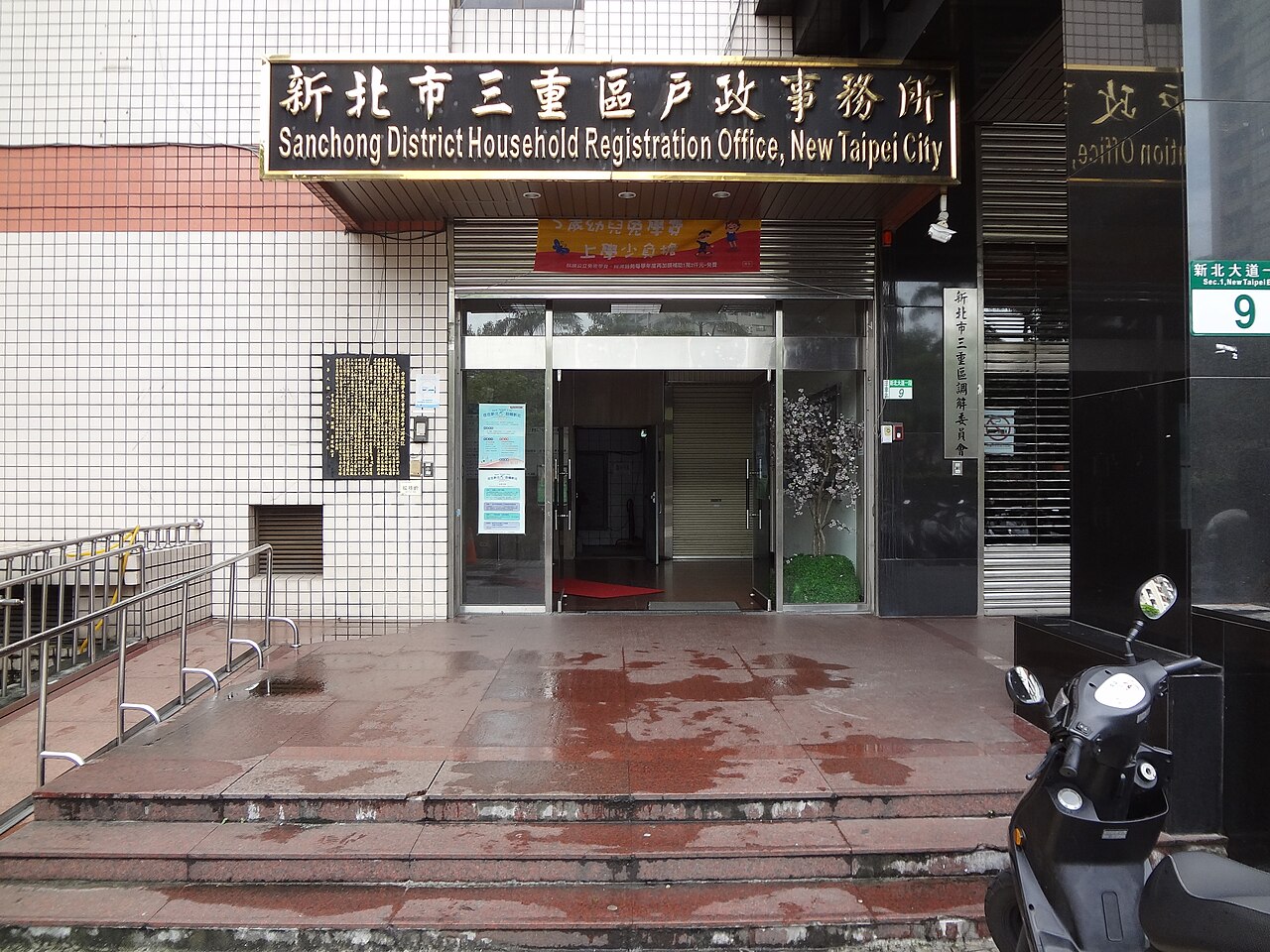
Partner first
Contact a foundation, senior center, community care station, Silver Club, or district-connected elder-service organization before any direct interaction.
 SilverSync
We work through a trusted foundation or elder-service organization, avoid unsafe home visits, and run a small supervised connection activity.
The goal is not to replace social workers. Student teams support existing partners with a short, respectful activity that creates a moment of connection and gives students evidence for reflection.
Contact a foundation, senior center, community care station, Silver Club, or district-connected elder-service organization before any direct interaction.
Students do not visit private homes alone or cold-contact vulnerable elders. Any contact happens in a supervised setting or through a partner-approved channel.
If the partner can safely identify elders who live alone or have limited social contact, the activity can be designed around their needs.
Help with a short performance, music, memory-sharing, craft, game, or digital connection table during an existing partner event.
Ask staff and consenting participants about barriers to connection, then turn the learning into anonymous project reflections.
Prepare handwritten cards with a senior center, using warm language and no private questions or promises students cannot keep.
Use posters, school announcements, QR codes, and social posts to invite students to contact older relatives or support local organizations.